
Spec sheets for office handsets read like alphabet soup: PoE, G.722, DSS, BLF, dual Gigabit, Opus. Cut through the jargon and the decision gets simple, because a business IP phone only has to do three things well: sound clear, stay reliable, and make frequent tasks fast. This 2026 buying guide breaks down which features genuinely earn their price in a Pakistani office, which ones you can skip, and how to match different models to different roles so nobody overpays for capability they will never touch.
Start With How Your Team Actually Calls
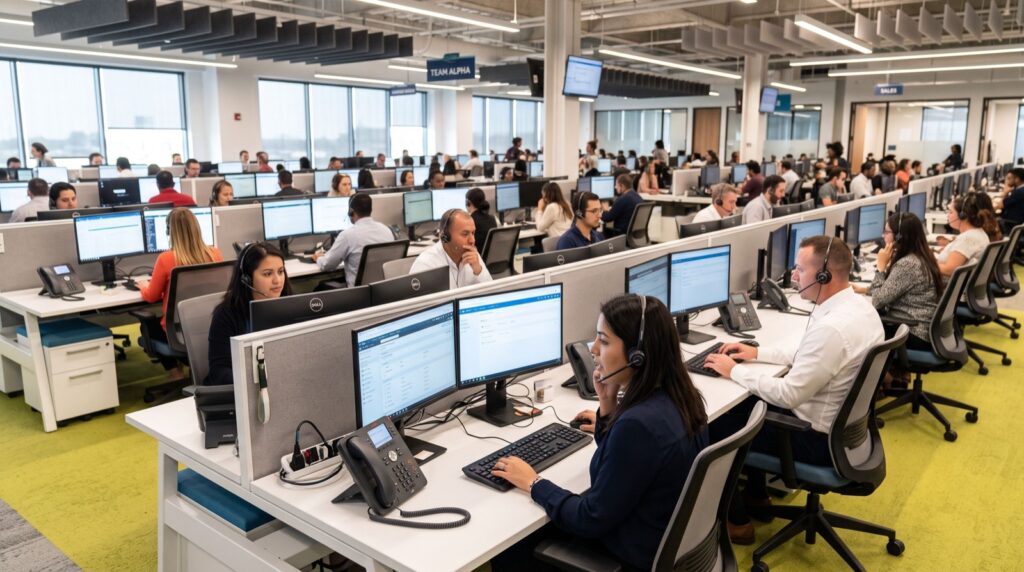
Before comparing hardware, spend one week logging call behaviour. How many simultaneous conversations happen at peak? Who transfers calls constantly? Who mostly receives and rarely dials? The answers decide your shopping list far better than any review.
A distribution company we advised in Karachi discovered that only six of its thirty staff ever placed outbound calls, while two dispatchers each juggled forty transfers a day. Their ideal order looked nothing like the uniform fleet they had originally planned, and the audit saved them a meaningful chunk of the budget.
The global shift to internet calling is not slowing down. Market trackers at Statista project continued growth in VoIP adoption worldwide through the decade, and Pakistani ISPs have responded with business fibre packages in every major city. The infrastructure argument is settled; the remaining question is which handset lands on which desk.
9 Business IP Phone Features Worth Paying For
- HD wideband audio. Codecs like G.722 double the captured frequency range compared with old landlines. Customers stop asking you to repeat numbers.
- Power over Ethernet. One cable delivers both data and power, and a UPS on the network switch keeps every phone alive through load shedding.
- Dual Gigabit ports. The phone sits between wall socket and PC, so neither device needs a second cable run. Gigabit matters if your computers move large files.
- Programmable line keys. Speed dials, extension monitoring and call pickup on physical buttons save receptionists hundreds of taps per day.
- A readable colour display. Caller ID, call history and directory search all live here. Staff use screens dozens of times daily, so cramped monochrome panels breed mistakes.
- Multiple SIP accounts. One handset can carry a sales line, a support line and a personal extension simultaneously.
- Full-duplex speakerphone. Hands-free quality determines whether quick team huddles happen at the desk or drag everyone to a meeting room.
- Auto-provisioning. IT configures one template file and fifty phones set themselves up. Without it, every firmware update becomes an afternoon of manual menu-tapping.
- Headset support with EHS. Anyone on calls more than two hours a day needs a proper headset jack or Bluetooth pairing, plus electronic hook switch control.
Which Specs Can You Safely Ignore?
Plenty. Video capability is wasted on staff who never join camera calls. Wi-Fi built into a desk phone adds cost when an Ethernet port sits right there. Touchscreens look impressive in demos but slow down users who simply want tactile buttons. Buy the feature, not the brochure.
| Feature Tier | Examples | Who Needs It |
|---|---|---|
| Essential | HD audio, PoE, provisioning | Every desk |
| High value | Colour screen, line keys, EHS headset | Sales, support, reception |
| Situational | Wi-Fi, Bluetooth, touchscreen | Flexible desks, executives |
| Usually skippable | Built-in video, Android apps | Specific roles only |
A useful rule from years of deployments: if a feature does not remove a daily annoyance for the person using that exact desk, it is decoration.
Matching Phones to Roles Without Overspending
Mid-range models hit the sweet spot for most professional desks. The Fanvil V61G Prime Business Phone is a good example of the category done right: Gigabit connectivity, a clear colour display, generous programmable keys and HD voice, without paying flagship money for camera hardware a finance officer will never switch on.
Structure your order in three bands. Entry handsets for storerooms and shared spaces, prime models for everyone who talks to customers, and one or two advanced units for leadership or conference tables. This banding typically trims fifteen to twenty five percent off a naive “same phone everywhere” budget.
Think about desk logistics too. Phones with pass-through ports reduce cabling clutter, and wall-mountable models rescue counters where space is tight. If your company is renovating or shifting premises this year, coordinate the handset rollout with the movers; letting dependable specialists handle the physical side means your new hardware arrives at clean, ready desks instead of sitting in boxes beside disassembled furniture.
Sourcing and Support Inside Pakistan
Warranty response time is the hidden spec nobody prints. A dead phone on a sales desk costs revenue every hour, so a supplier who swaps hardware within days beats a marginally cheaper overseas listing every time. Local distributors also stock region-appropriate power supplies and provide firmware guidance in your time zone.
Price differences between authorised and grey stock have narrowed considerably in 2026, which removes the last excuse for gambling on unofficial imports. Locked firmware, missing accessories and refused warranty claims all cost more than the few hundred rupees saved per unit.
Check three things before paying: official distribution status, advance replacement policy, and whether bulk orders include provisioning help. Established channels such as Fanvil IP Phones in Pakistan tick these boxes, which is precisely why IT managers who have been burned by grey imports refuse to buy any other way twice.
Frequently Asked Questions
How long should a business IP phone last?
Five to eight years is normal for a quality handset. Firmware support usually ends before the hardware fails, so check the manufacturer’s update track record. Buying current-generation models rather than clearance stock stretches the useful life.
Do IP phones work with any PBX provider?
Almost always, yes. Standard SIP handsets register with hosted platforms and on-site systems alike. Confirm your provider publishes provisioning templates for your chosen model, which turns setup from an afternoon into minutes.
Is a softphone app cheaper than a desk phone?
Upfront, yes. In practice, dedicated hardware wins on audio quality, reliability and ergonomics for anyone taking serious call volume. Many offices run both: apps for travelling staff, desk phones for everyone anchored to a workstation.
Final Checks Before You Order
Print your call-behaviour notes, mark each desk as entry, prime or advanced, and request quotes for that exact mix. A well-chosen business IP phone fleet disappears into the background of daily work, which is the highest compliment office equipment can earn. Spend where voices meet customers, save where they do not, and insist on local warranty coverage before any invoice gets signed.