5 Marla Residential Plots in 2026: Smart Tech Trends Buyers Should Know
Tech-savvy buyers no longer judge a plot purely on location and price. In 2026, the conversation around 5 Marla Residential Plots increasingly includes questions about internet infrastructure, smart metering, and whether the society’s layout supports modern home automation at all. This piece looks at the technology shift reshaping Pakistan’s most popular plot size.
Why 5 Marla Residential Plots Remain Pakistan’s Most In-Demand Investment
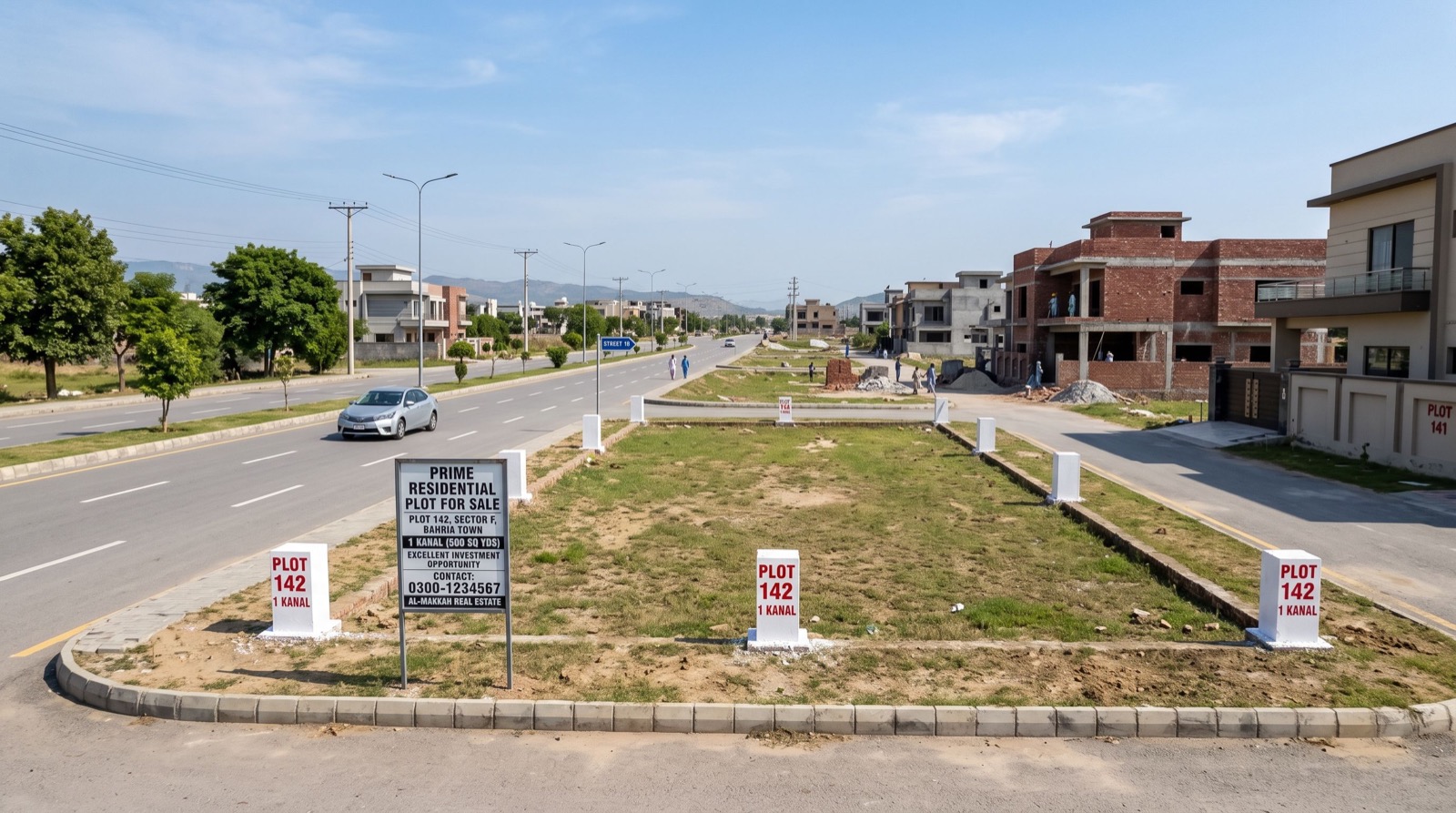
A 5 Marla plot hits the sweet spot between affordability and livability for middle-income families across Rawalpindi and Islamabad. It is large enough for a comfortable single-family home with a small lawn, yet small enough to keep construction and maintenance costs manageable.
That balance is exactly why resale demand for this plot size consistently outpaces larger ones, especially in societies with verified legal standing and planned amenities.
- Lower entry cost than 7 or 10 Marla equivalents
- Faster construction timelines for young families
- Stronger rental demand from smaller households
- Easier resale liquidity when relocating abroad or within Pakistan
Smart Home Technology Changing How 5 Marla Houses Are Built
Home automation used to be a luxury reserved for large farmhouses. On a 5 Marla footprint, buyers are now installing app-controlled lighting, smart door locks, and solar-linked inverter monitoring as standard features rather than upgrades added years later.
Must-Have Tech Features for a 2026 Build
- Smart electricity meters compatible with net-metering if solar is added later
- Pre-wired fiber internet ducting at the construction stage
- App-based security cameras tied to the society’s own control room where available
- Battery-backup inverter systems sized for essential loads during outages
Planning for these during construction, rather than retrofitting afterward, usually costs a fraction of what it would to break open finished walls later.
Plot Size and Tech-Readiness Comparison
| Plot Size | Typical Buyer | Smart Wiring Feasibility | Solar Capacity Fit |
|---|---|---|---|
| 3.5 Marla | First-time buyer | Limited by space | Small rooftop system |
| 5 Marla | Growing family | Good, standard layout | Moderate rooftop system |
| 7 Marla | Established household | Very good | Larger rooftop system |
| 10 Marla+ | High-end buyer | Excellent | Full household coverage |
Are Smart Homes Worth the Extra Cost on a 5 Marla Plot?
For most families, yes, provided the extra spend goes into wiring and infrastructure rather than gadgets alone. A smart lock or a connected camera adds convenience, but pre-planned electrical ducting and net-metering-ready panels add real resale value because the next owner inherits a house that is already upgrade-friendly.
Pakistan’s urban population continues to grow quickly according to figures tracked by the Pakistan Bureau of Statistics, and that growth is pushing more first-time buyers toward exactly this plot size, which keeps long-term demand — and resale tech upgrades — relevant.
Solar and Smart Tech: Karachi’s Lessons for Rawalpindi Developers
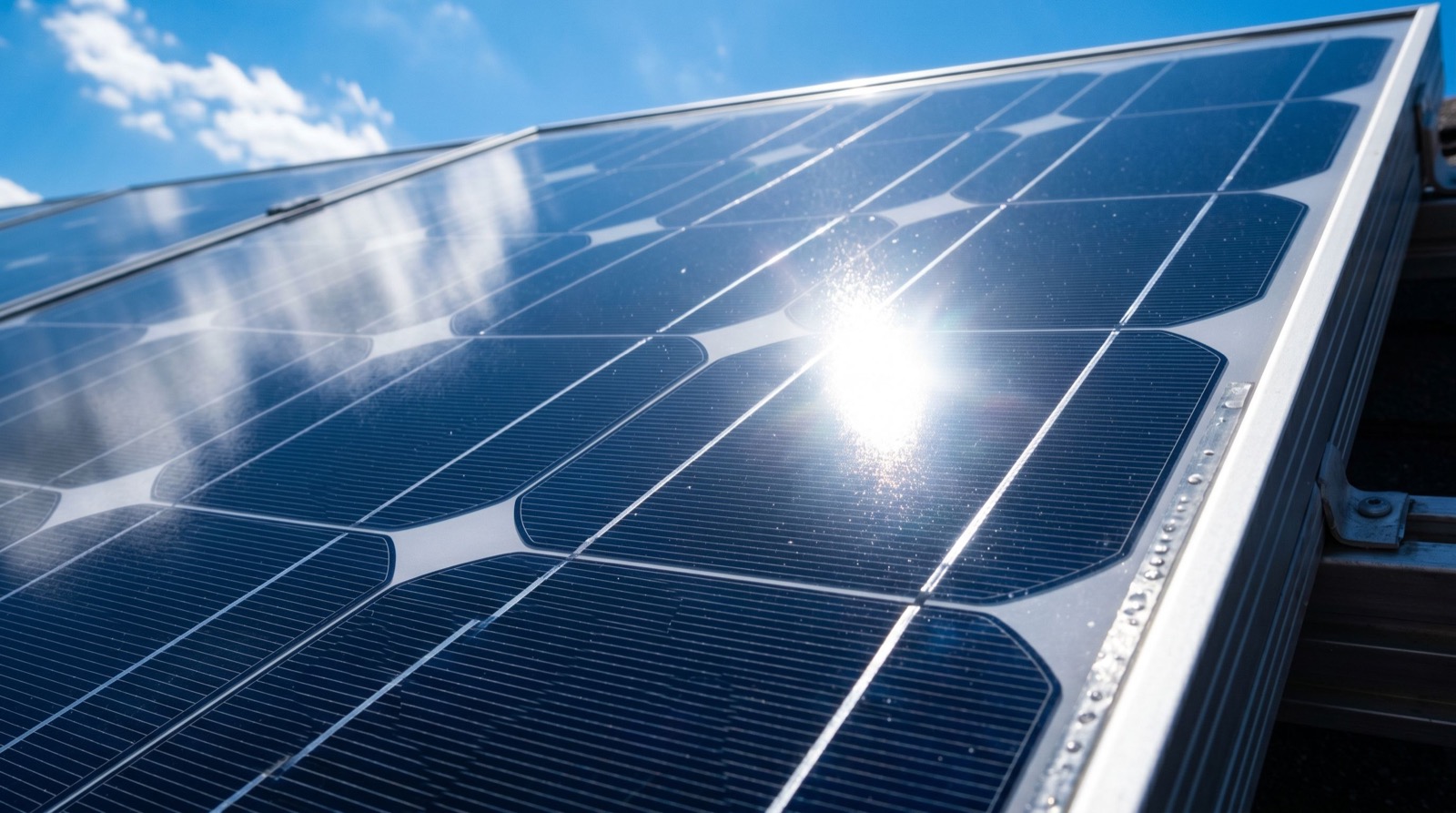
Karachi homeowners adopted rooftop solar earlier and more aggressively than most other cities, largely driven by frequent load-shedding and high commercial tariffs. That urgency produced a more mature installation market, with clearer pricing and better-trained technicians than many newer markets had access to just a few years ago.
Buyers in Rawalpindi’s growing societies can learn from that experience directly. When you already know how to identify dependable specialists for a solar project in a city like Karachi, the same vetting checklist — proper certification, transparent quotes, warranty terms — applies just as well when wiring a new 5 Marla home near Islamabad.
Developers who pay attention to these lessons, and who already hold status among the RDA approved housing societies 2026 list, are increasingly marketing tech-readiness as a core selling point rather than an afterthought.
Frequently Asked Questions
Is a 5 Marla plot big enough for a smart, solar-ready home?
Yes. A typical 5 Marla rooftop can comfortably host a moderate solar array sufficient for essential household loads, especially when combined with efficient LED lighting and inverter-based appliances.
Does smart wiring add significant cost to construction?
Planning for conduits and ducting during the structural stage adds a modest cost compared to retrofitting later, and most buyers recover that difference through resale value and lower maintenance costs.
What should I check before buying a 5 Marla plot in a new society?
Confirm regulatory approval status, review the master plan for utility and road provisions, and ask whether the layout accommodates future solar or smart-home additions.
Are smart home features common in Rawalpindi housing societies now?
They are becoming more common, particularly in newer, well-planned societies competing for tech-conscious buyers, though adoption still varies widely by developer.
Budgeting for Tech Upgrades on a 5 Marla Build
One of the most practical questions buyers skip is sequencing: which tech features should be installed during construction versus added later once the household settles in. Getting this order wrong is the single biggest reason retrofits end up costing more than planned.
- Install during construction: electrical ducting, smart meter wiring, structured internet cabling, and inverter cable routing — these are expensive and disruptive to add after walls are plastered.
- Add soon after possession: smart door locks, app-controlled lighting switches, and basic security cameras — these plug into existing wiring with minimal extra work.
- Add whenever budget allows: full solar panel arrays, battery storage upgrades, and additional camera coverage — these scale independently once the core infrastructure exists.
Buyers who follow this sequence typically spend significantly less over three years than those who try to add everything at once right after possession, simply because they are not paying contractors to reopen finished walls and ceilings.
A Quick Reality Check on ROI
Smart tech rarely pays for itself through electricity savings alone within the first year. The real return shows up at resale, when a buyer compares two otherwise similar 5 Marla houses and picks the one that is demonstrably easier to live in and cheaper to run. Treat these upgrades as a resale differentiator first, and a convenience feature second.
It also pays to ask the developer directly, in writing, which of these provisions are already included in the base price versus offered as a paid add-on. Sales brochures often list “smart-ready” as a feature without clarifying whether that simply means empty conduit pipes or fully terminated, tested wiring. The difference between those two can run into a meaningful sum once construction begins, so clarity upfront avoids an unpleasant surprise at handover.
Final Thoughts
A 5 Marla plot in 2026 is no longer just about four walls and a boundary wall — it is about buying into infrastructure that supports the next decade of home technology. Shortlist approved societies, ask about wiring standards, and talk to a sales representative this week to see which project is genuinely built for a smart, solar-ready future.